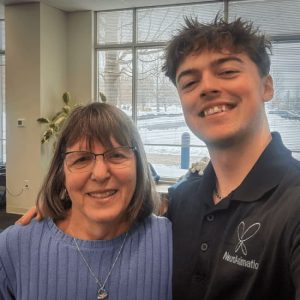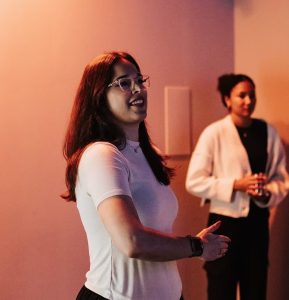
Maddi, Age 30
Stroke
“I got pincer movement back, 8 years out from my stroke”!

NeuroAnimation offers two program formats, each structured to support recovery while accommodating different schedules.
Our immersive, clinically grounded programs are designed for individuals recovering from stroke or traumatic brain injury (TBI), those living with neurological conditions such as Alzheimer’s or Parkinson’s, and individuals experiencing challenges including ADHD, PTSD, or depression.
They are also built to support long-term brain health, helping individuals not only age, but move toward becoming Super Agers.
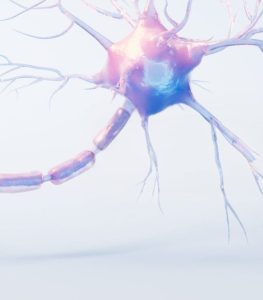
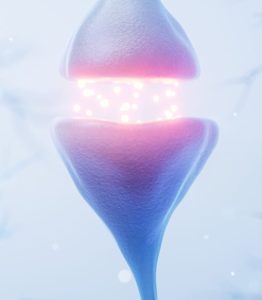

NeuroAnimation is built on a simple but powerful principle: when the brain grows,
everything changes.
The outcomes we see include new movements that weren’t there
before, mental clarity, the ability to truly live again, balance, and stronger childhood development, are life changing on their own. Together, these outcomes reflect something even deeper. By targeting brain growth, NeuroAnimation doesn’t train isolated skills, it drives the underlying change that makes all of these gains possible.
NeuroAnimation Pillars that
Strengthen Brain Function

Our clients have seen new hand, finger, arm, foot movements, and everything in between. There’s nothing more exciting than when a client is able to move in ways they haven’t in years since their injury.

From brain fog to sharp thinking, from struggling to process to solving complex problems, and from searching for words to speaking with ease, mental clarity returns in ways that are both measurable and deeply felt.

From disengaged and withdrawn to motivated, present, and fully involved, people rediscover the internal drive and sense of self that allows them to participate in life again and truly feel like themselves.

From instability and disconnection to steady, controlled, and confident movement, people regain trust in their bodies, often progressing to walking independently without relying on a cane, walker, or wheelchair.
Children build the ability to focus longer, learn more easily, and express themselves more clearly, gaining confidence while reducing anxiety and developing the skills needed to succeed in school and everyday life.
Our programs demonstrate cognitive-motor enhancement that exceeds standard clinical outcomes and deliver quantifiable results.
Discover information about NeuroAnimation Programs and their innovative approach.

The program that best fits each individual depends on their pathology, type of impairment, personal goals, and any other therapies they are currently engaged in. To determine the best program for you, please contact our center to speak directly with a specialist.
NeuroAnimation focuses on strengthening the brain itself, rather than primarily targeting the body like traditional therapies.
Our approach emphasizes high-quality cognitive-motor activity to actively engage the brain, driving meaningful neurological change and recovery. NeuroAnimation is the only therapy of its kind shown to increase hippocampal volume, supporting improvements in learning, memory, and overall brain function.
No, a doctor’s referral is not required to participate. However, we encourage individuals to consult with their physician when considering treatment options.
NeuroAnimation uses a game-based interface by design, because the neurological system learns best when it is actively engaged. Games allow us to combine visual, auditory, emotional, and movement-based stimulation at the same time, creating strong multi-sensory input that challenges the brain more effectively than passive or repetitive tasks.
Is it just for fun, or is there a neurological reason behind it?
There is a neurological reason behind the design. The immersive, interactive format promotes deep engagement, which is essential for neuroplastic change. When the brain is emotionally invested and focused, it is more responsive and adaptable.
How does a game-based format support neurological recovery?
The format encourages cognitive–motor coupling, meaning clients must think, react, and move simultaneously. This mirrors real-life demands and strengthens the communication between brain networks responsible for decision-making, coordination, balance, and movement.
Why not use traditional or repetitive exercises instead?
Boredom reduces neurological engagement. If the brain is not interested or challenged, it does not adapt as effectively. Novelty, challenge, and emotional stimulation are critical drivers of neurological strengthening, and a game-based environment naturally provides these elements. We need a cognitive-motor load, not repetitive movement, for the neurological system to heal.
Does the game format make the therapy less serious?
No. While NeuroAnimation may look like a game on the surface, it is intentionally designed to challenge the neurological system at a high level. The format is a tool to increase engagement and effectiveness—not to reduce the seriousness or purpose of the work.
Why is engagement so important for the neurological system?
The neurological system responds best to tasks that require attention, motivation, and emotional involvement. By keeping the experience engaging and immersive, NeuroAnimation helps ensure the brain is fully participating in the process, which supports stronger and more meaningful neurological adaptation over time
NeuroAnimation is an in-person, instructor-guided therapy and is not available remotely. After completing a program at the center, some individuals may have the option to continue with a structured at-home VR program. This option is not available independently.
The earlier you begin, the better.
For neurodegenerative conditions, early participation can help maintain current function. For acute events, beginning sooner allows you to take advantage of the brain’s natural plasticity, often leading to faster and more meaningful results—provided you are able to actively participate in therapy.
We use a range of standardized assessments to evaluate each client’s specific impairments across key domains, including cognition, motor function, vision, and speech.
Yes. Programs can be completed sequentially based on your needs and goals. Our team will guide you in determining the most effective progression for your recovery.
Next steps vary depending on the individual. We remain committed to supporting each client’s continued recovery.
Options may include a maintenance program, a follow-up program scheduled 3–6 months later, an at-home VR program for ongoing support, or other individualized recommendations.