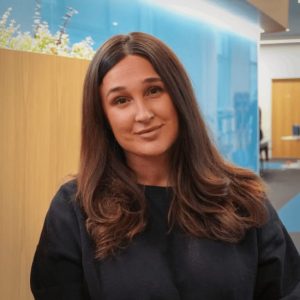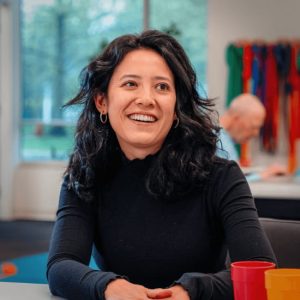
Maddi, Age 30
Stroke
“I got pincer movement back, 8 years out from my stroke”!

People recovering from stroke, Parkinson’s, and brain injury are regaining movement, balance, and clarity of thought. These are not just stories, these are measurable improvements that are changing people’s lives.
At NeuroAnimation, this isn’t just therapy. It’s the beginning of a new era in brain recovery.
These real-world outcomes provide the first evidence that key areas of the brain can grow and reverse decline across neurological conditions once thought irreversible.
Each client’s progress adds a new chapter to what has become known as The Brain Regained Story, a story of hope, resilience, and the rediscovery of abilities once believed lost.
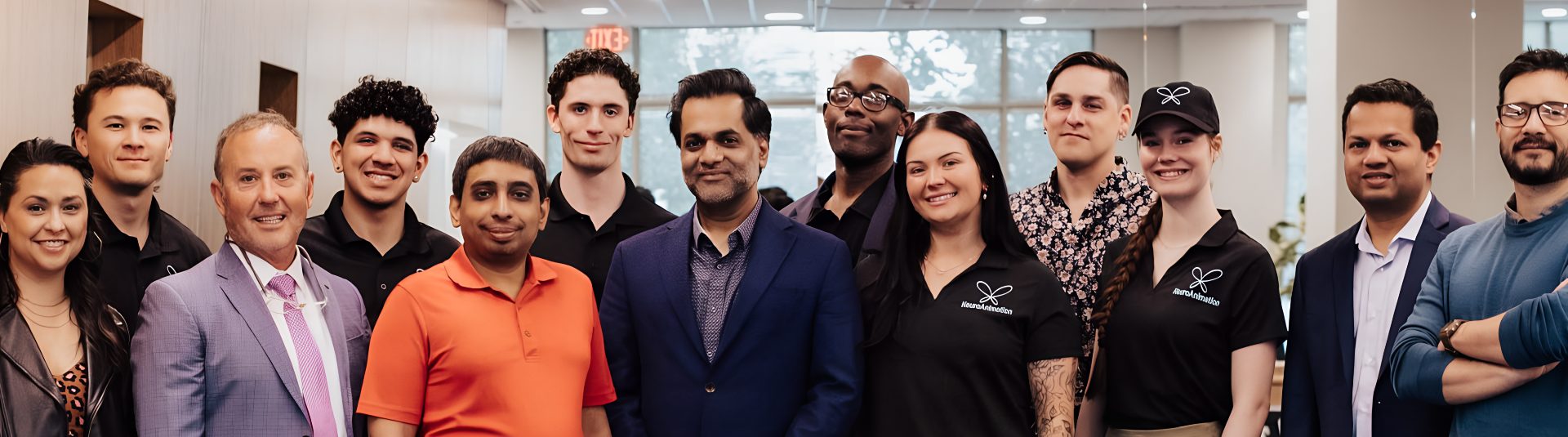
Dr. Omar Ahmad is a neuroscientist, computer scientist, and the inventor of NeuroAnimation. His work brings together brain science, virtual experience design, and cognitive-motor strengthening to push outcomes beyond the standard of care.
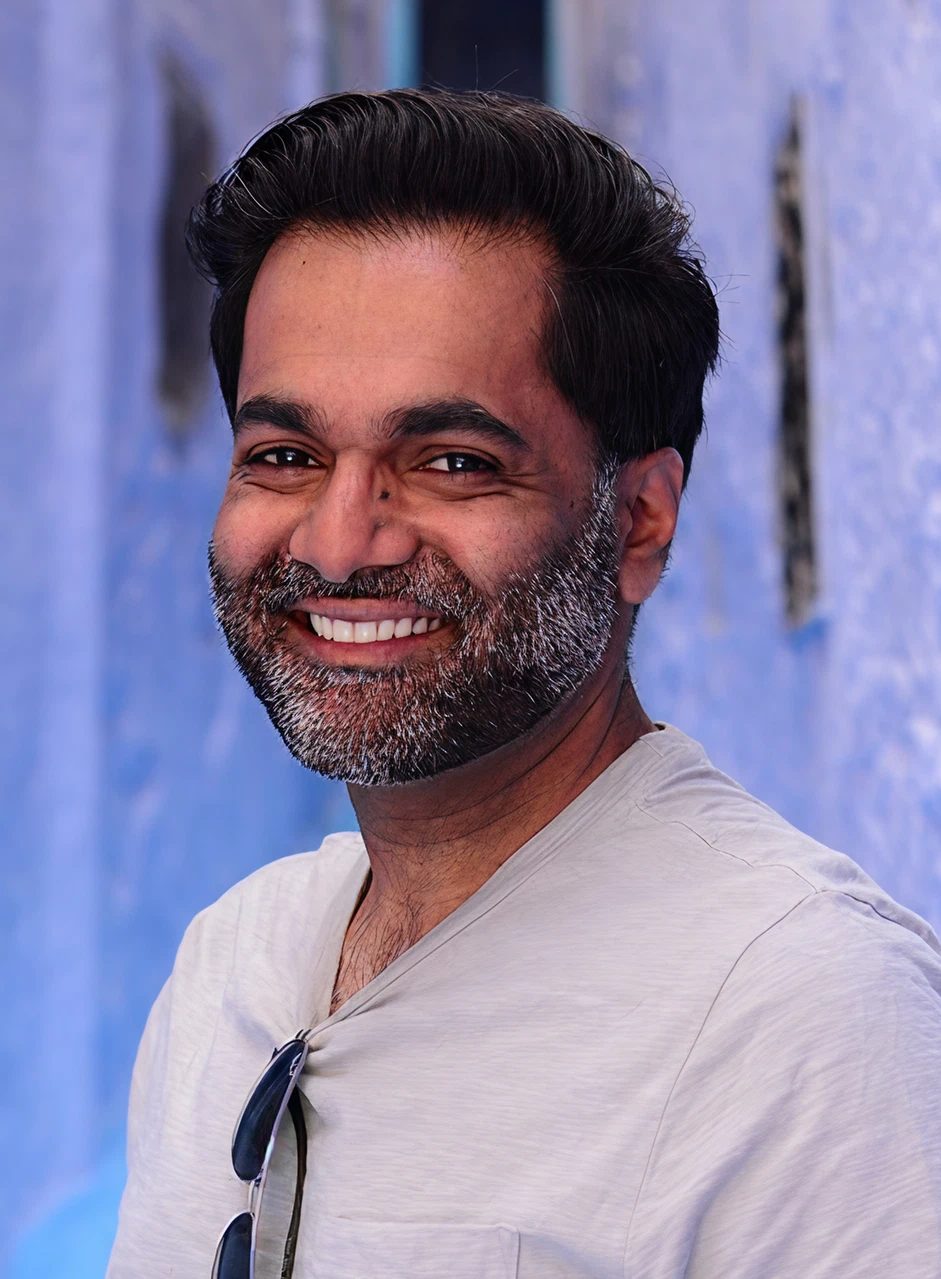
Dr. Ahmad designed the execution strategy at Johns Hopkins to implement cognitively beneficial therapies across the continuum of care, from in-patient to custom-built outpatient facilities centered around his technology. He holds a PhD in Computer Science from Johns Hopkins, and has been featured in National Geographic, and the New Yorker.
Unlike traditional care, rehabilitation centers, or standard brain training, NeuroAnimation combines neuroscience, immersive experiences, and precision programs to help people make meaningful, measurable gains in movement, cognition, and everyday function.
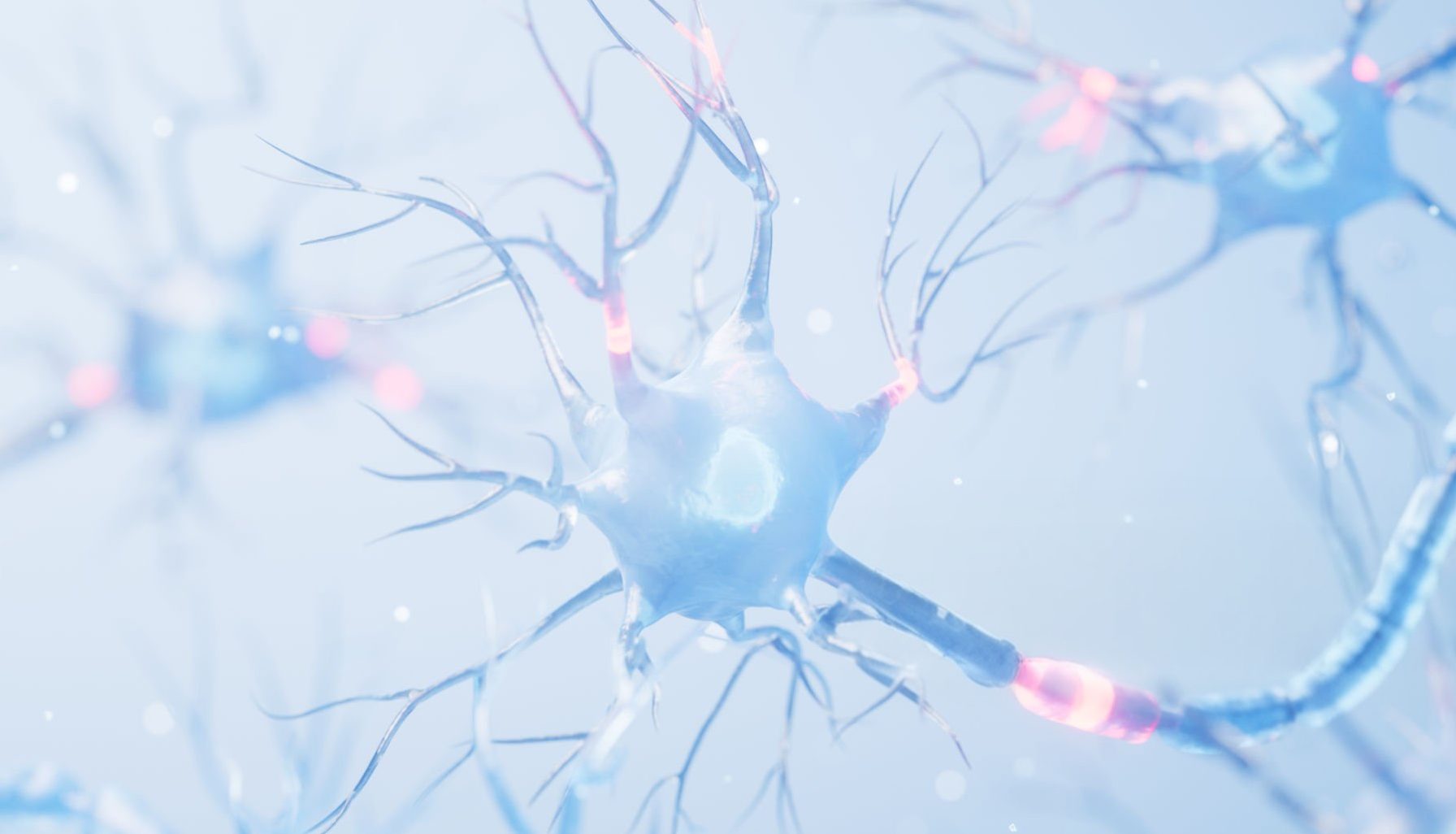
NeuroAnimation exists to help regain what was lost by restoring movement, mental clarity, and focus for people living with stroke, brain injuries, neurodegenerative conditions, cognitive decline, and mental health challenges such as Attention-deficit Hyperactivity Disorder (ADHD), Post-Traumatic Stress Disorder (PTSD), or depression.


Together, these pillars build the foundations that allow our clients to regain their brain and their lives.
See the research and real stories behind our work — how we help people recover from stroke, traumatic brain injury (TBI), concussions, brain fog, Alzheimer’s, Parkinson’s, neurodegenerative conditions, cognitive decline , and improve focus and mood for those living with ADHD, PTSD, and depression.