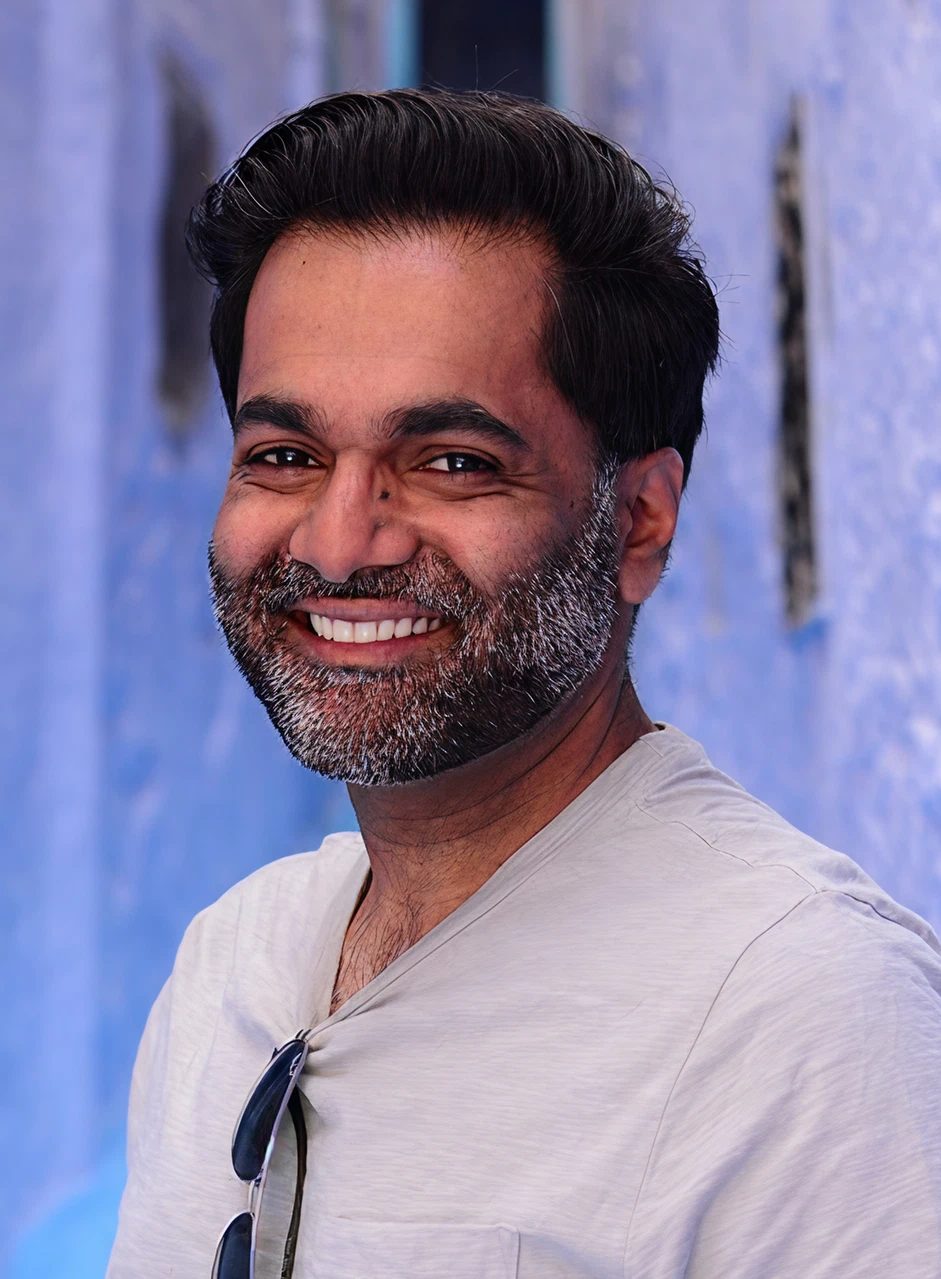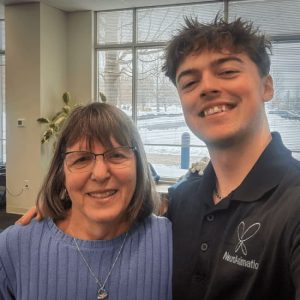
Hero stories

Real Results, Real Recovery

  • New Movement
  • Mental Clarity
  • Balance
  • Confidence
Jackie, Age 38 image

Jackie Miller, Age 38

Stroke

“My hand, my foot, and my speech, the team-all of it-NeuroAnimation is awesome’!

Learn more about Jackie Miller
Marsha, Age 74 image

Marsha Taylor, Age 74

Parkinson’s

“I’m able to read my own handwriting again”

Learn more about Marsha Taylor
Whitney Sica image

Whitney Sica, Age 37

Stroke Survivor

“My son loves baseball and I can play catch now; I want to cry”!

Learn more about Whitney Sica
Edwin, Age 65 image

Edwin Fernandez, Age 65

Ischemic Stroke

“The gains with my gait have been amazing”.

Learn more about Edwin Fernandez
Janeth Garcia image

Janeth , Age 35

Stroke Survivor

“I am able to be a Quantum Physicist again”

Learn more about Janeth
Beth Murphy image

Beth Murphy, Age 57

Stroke Survivor

“I held my granddaughter. My grandmother piece and my mother piece are back”

Learn more about Beth Murphy
Greg Bowman image

Greg Bowman, Age 63

Stroke Survivor

“I threw away my cane”.

Learn more about Greg Bowman
Liam image

Liam, Age 35

Brain Injury

“After NeuroAnimation, he seems to be able to do everything on his own”, Beth, Liam’s mother.

Learn more about Liam

NeuroAnimation: The Brain Regained Story

NeuroAnimation is pioneering the world’s first enhanced therapy focused on brain health and has been shaped by one powerful idea: The Brain Can Generate New Neurons.

What began as years of scientific curiosity has evolved into a breakthrough that is changing lives.

These real-world outcomes provide the first evidence that key areas of the brain can grow and reverse decline across neurological conditions once thought irreversible.


Each client’s progress adds a new chapter to what has become known as The Brain Regained Story, a story of hope, resilience, and the rediscovery of abilities once believed lost.
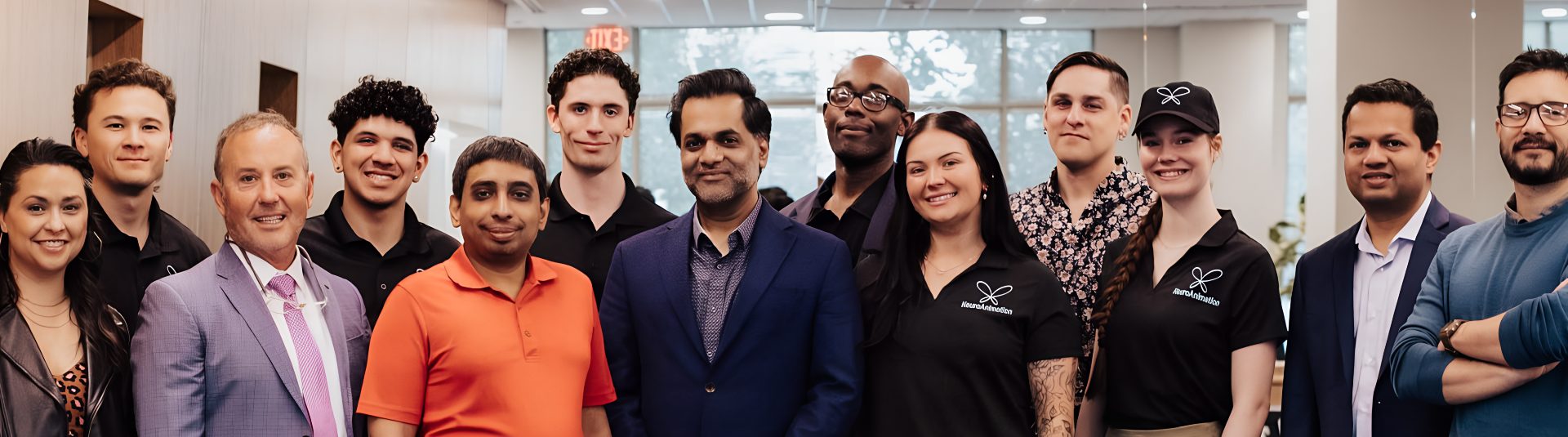
The NeuroAnimation team smiling in the office
Origin

Dr. Omar Ahmad and the revolutionary vision behind NeuroAnimation

Dr. Omar Ahmad is a neuroscientist, computer scientist, and the inventor of NeuroAnimation. His work brings together brain science, virtual experience design, and cognitive-motor strengthening to push outcomes beyond the standard of care.
neurons 2

Our values

We build with integrity. We measure impact.
neurons 3

The research

Years of study proved what we believed. NeuroAnimation shapes how the brain learns and recovers.
male team member smiling

Before NeuroAnimation, he led innovative engineering in the Department of Neurology at Johns Hopkins and founded the Kata Design Studio to advance cognitive-motor treatment outcomes.

Dr. Ahmad designed the execution strategy at Johns Hopkins to implement cognitively beneficial therapies across the continuum of care, from in-patient to custom-built outpatient facilities centered around his technology. He holds a PhD in Computer Science from Johns Hopkins, and has been featured in National Geographic, and the New Yorker.

What Makes NeuroAnimation Different

Why NeuroAnimation Is Different

Unlike traditional care, rehabilitation centers, or standard brain training, NeuroAnimation combines neuroscience, immersive experiences, and precision programs to help people make meaningful, measurable gains in movement, cognition, and everyday function.
neurons
NeuroAnimation’s Purpose

Where Neuroscience and Innovation Meet.

NeuroAnimation exists to help regain what was lost by restoring movement, mental clarity, and focus for people living with stroke, brain injuries, neurodegenerative conditions, cognitive decline, and mental health challenges such as Attention-deficit Hyperactivity Disorder (ADHD), Post-Traumatic Stress Disorder (PTSD), or depression.

rocket
to advance recovery

Our mission

Neuroanimation’s mission is to change people’s lives by improving movement and mental clarity through innovative experiences that target hippocampal growth.
eye
to be the world’s leading Therapy

Our vision

To create a world where the brain can be restored, neurological disease no longer limits human potential, and people thrive with movement and mental clarity for life.
  • New Movement
    Regain the ability to move what you couldn’t before.
  • Mental Clarity
    Clear thinking, focus, and expression restored
  • Live Again
    Motivation, engagement, and joy for life
  • Balance & Control
    Confident movement restored
  • Childhood Brain Development
    Focus, learning, and confidence

Together, these pillars build the foundations that allow our clients to regain their brain and their lives.

Clinical Outcomes

Pioneering Advanced Brain‑Recovery through Neuroscience and Innovation

See the research and real stories behind our work — how we help people recover from stroke, traumatic brain injury (TBI), concussions, brain fog, Alzheimer’s, Parkinson’s, neurodegenerative conditions, cognitive decline , and improve focus and mood for those living with ADHD, PTSD, and depression.

Liam image
Client stories

Liam

Discover more
Greg Bowman image
Client stories

Greg Bowman

Discover more
Beth Murphy image
Client stories

Beth Murphy

Discover more
Janeth Garcia image
Client stories

Janeth Garcia

Discover more
Edwin, Age 65 image
Client stories

Edwin, Age 65

Discover more
Whitney Sica image
Client stories

Whitney Sica

Discover more
Documented Cases

NeuroAnimation Used to Support Recovery and Cognitive Wellness After Traumatic Brain Injury

Discover more
Documented Cases

Using NeuroAnimation to Proactively Support Brain Health and Cognitive Wellness in Healthy Older Adults

Discover more
Documented Cases

NeuroAnimation Used to Support Movement Coordination and Cognitive Wellness in Parkinson’s Disease

Discover more
Documented Cases

Using NeuroAnimation to Support Attention, Focus, and Learning in Children With Cognitive and Developmental Challenges

Discover more
Documented Cases

Using NeuroAnimation to Rebuild Confidence and Stability in Adults Living With Fear of Falling

Discover more
Documented Cases

Using NeuroAnimation to Support Mental Clarity, Focus, and Communication After Neurological Injury

Discover more