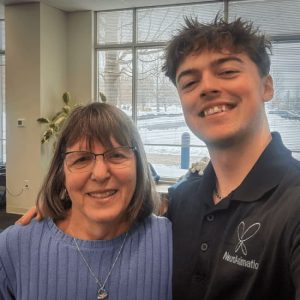
Sharon Goshe, Age 79
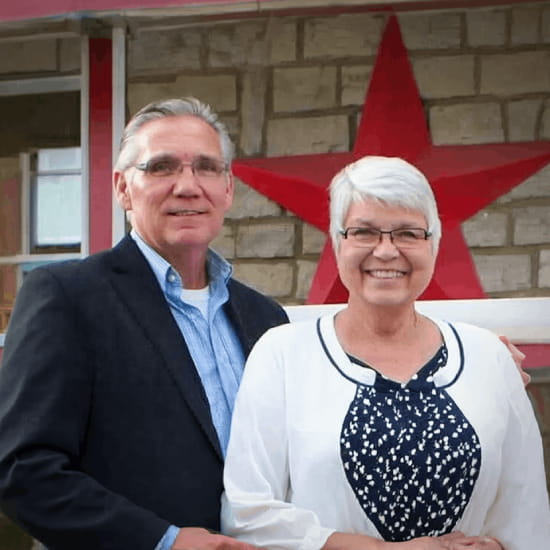


Sharon’s story is one of resilience, identity, and rediscovery. In the summer of 2024, she was diagnosed with Lewy Body Dementia.
In the months leading up to her diagnosis, her family watched the changes unfold. Her husband, Ken, described it simply — “the light was going out.”
Sharon began to lose pieces of her daily life. Cooking, cleaning, doing laundry — tasks that once felt automatic — became overwhelming. She struggled to remember conversations from just 30 minutes prior. She grew quieter. Less engaged. The vibrancy that defined her started to fade.
They pursued every available option. Multiple pharmacological interventions. Different approaches. But nothing truly made a difference.
And for Sharon — a three-time cancer survivor, a fighter in every sense — her family knew this couldn’t be the thing that took her spirit.
Then, they found NeuroAnimation in a magazine.
They came in with clear hopes: improved short-term memory, greater social engagement, more initiative to move and participate in daily life, and a return of her energy, motivation, and personality. They wanted Sharon back.
And that’s what they began to see.
After completing a 12-week NeuroStrength program, the changes were both measurable and deeply felt:
- Cognitive Efficiency: 38.9% improvement
- Processing Speed: 40.5% improvement
- Short-Term Memory & Executive Capacity: 94.5% improvement
But the numbers only tell part of the story.
Her family noticed she could answer questions more consistently. Recall information more reliably. Stay present and engaged in conversations.
And most importantly — “the light was back on.”
Sharon was smiling again. Talking. Having meaningful conversations. She became more active, more involved in her daily routine, and more connected to the people around her.
She was more alert. More energetic. More positive.
She was back.